Understanding the intricacies of truck repairs is essential for any owner or operator in Whitehouse, Texas. Whether you rely on a light-duty pickup for personal errands or manage a fleet of heavy-duty trucks, knowing how to diagnose common problems can save time, money, and frustration. This article explores various symptoms and issues Truck overheating repair Whitehouse TX one might encounter with trucks and provides insight into how to approach these challenges effectively.
Recognizing the Symptoms
Early detection of issues can mean the difference between a minor repair and a major overhaul. Familiarizing yourself with the signs that something may be wrong is crucial. Here are some common symptoms you might notice:
Unusual Noises: Clunking, grinding, or squeaking sounds can indicate problems with the brakes, transmission, or suspension. Warning Lights: The check engine light is an obvious indicator that something requires attention. However, it’s important to understand that other lights—such as those for oil pressure or battery health—also warrant immediate investigation. Fluid Leaks: Puddles under your truck can point to leaks in different systems—oil, coolant, transmission fluid, or brake fluid. Performance Changes: If the truck struggles to accelerate or experiences a drop in fuel efficiency, it may be time for a diagnostic check. Vibrations: Noticeable vibrations while driving could signal issues with the tires, wheels, or even drivetrain components.Recognizing these symptoms early can prevent more severe mechanical failures down the line.
Common Issues and Their Causes
Understanding what could be causing these symptoms helps in diagnosing problems accurately. Below are some frequent truck issues and their potential causes:
Engine Problems
The engine is the heart of any vehicle; therefore, its health is paramount. Common engine-related issues include hard starting, excessive smoke from the exhaust, or loss of power during acceleration.
- Hard Starting: This could stem from several factors such as a weak battery, faulty starter motor, or fuel system malfunctions including clogged injectors. Excessive Smoke: Blue smoke may indicate oil burning inside the combustion chamber while black smoke often points to too much fuel being burned. Loss of Power: A drop in power could result from air intake restrictions due to dirty filters or turbocharger failure.
Transmission Troubles
Transmission problems can lead to significant performance issues and costly repairs if not addressed promptly. Symptoms like slipping gears, delayed engagement when shifting from park to drive, or unusual noises while in gear usually signal trouble.
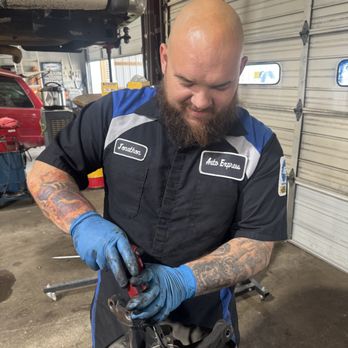
- Slipping Gears: Often caused by low transmission fluid levels or wear on internal components. Delayed Engagement: Could indicate low fluid levels again but may also reflect a failing torque converter.
Brake Issues
Brakes are critical for safety; therefore any signs they are not functioning properly should be treated seriously. Squealing sounds when applying brakes typically suggest worn pads while pulling to one side during braking may indicate uneven wear.
- Regular checks on brake pads and rotors can help avoid more extensive brake system damage.
Electrical Failures
Modern trucks have complex electrical systems that control everything from lighting to engine management systems. If you experience sudden electrical failures (like dashboard lights flickering), it could be due to bad wiring connections or failing alternators.
Cooling System Failures
Overheating engines usually signal cooling system problems which could range from faulty thermostats to leaking hoses. Monitoring coolant levels regularly helps catch these issues before they escalate.
Implementing Basic Diagnostic Steps
When faced with any truck problem mentioned above, following a systematic approach aids in accurate diagnosis without needing advanced tools immediately:
Visual Inspection: Begin with a thorough visual examination of your truck's exterior and undercarriage looking for leaks and signs of wear. Check Fluid Levels: Ensure that all fluids—engine oil, coolant, transmission fluid—are at appropriate levels. Listen for Sounds: Pay attention to odd noises when starting up and during operation; this will provide clues about where to focus your attention next. Use an OBD-II Scanner: If warning lights are present on your dashboard, using an Onboard Diagnostics II scanner can help interpret error codes that direct you towards specific issues. Take it for a Test Drive: Observe how the vehicle handles under various conditions; noting any changes can greatly assist mechanics in diagnosing problems effectively.When to Seek Professional Help
Despite best efforts at home diagnostics and repairs, certain situations necessitate professional intervention:
- If multiple warning lights appear simultaneously When there’s consistent loss of power despite troubleshooting If you encounter persistent overheating after checking coolant levels When unfamiliar sounds persist even after basic repairs For complex systems such as diesel engines where specialized knowledge is paramount
In Whitehouse TX specifically, seeking out an ASE certified diesel mechanic ensures you receive knowledgeable service tailored towards your vehicle’s needs.
The Importance of Regular Maintenance
Preventative maintenance cannot be overstated; regular check-ups help catch minor issues before they become significant headaches down the road. Scheduling routine inspections helps maintain optimal performance while extending your truck’s lifespan.
Consider implementing these practices into your maintenance routine:
Change oil every 5k miles or according to manufacturer recommendations. Rotate tires every 6k miles for even wear patterns. Inspect brakes semi-annually regardless of usage frequency; this includes checking pads and rotors. Flush cooling system every two years unless otherwise specified by manufacturer guidelines.Finding Reliable Truck Repair Services
Whitehouse boasts various options for truck repair services ranging from general auto shops specializing in both light-duty pickups as well as heavy-duty commercial vehicles.
When searching for trustworthy providers consider:
Checking online reviews on platforms like Google My Business Asking local businesses about their experiences with specific repair shops Inquiring about warranties offered on parts and labor Evaluating responsiveness during initial consultationsWhile costs may vary across different establishments focusing on quality service is essential over simply opting for cheap repairs which often lead back into shop sooner than expected.
Conclusion
Diagnosing common truck problems involves vigilance and knowledge about typical symptoms associated with vehicles operating within our unique Texan climate conditions — especially considering potential heat-related complications affecting various systems including cooling mechanisms among others mentioned above throughout this article! By understanding key indicators early alongside implementing preventative maintenance measures combined with reliable professional assistance when needed ensures smooth operations whether traversing local diesel engine specialist near roads around Whitehouse TX or venturing further afield!